Guide · Medical backup power
How to Keep Your CPAP Running Through a Power Outage
Exact CPAP wattage by machine, the humidifier-off math that doubles your runtime, and how many outage-nights a power station actually buys you.

Published August 19, 2026 · Updated September 30, 2026
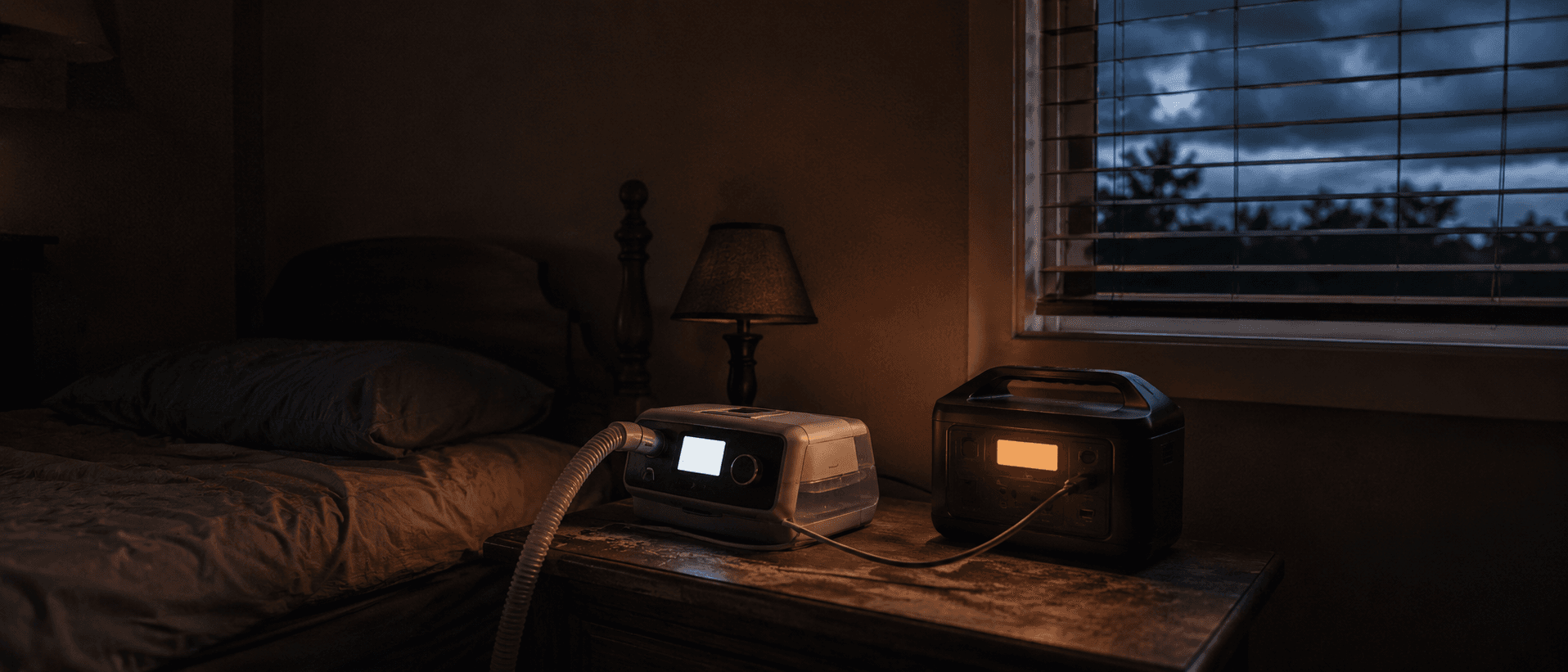
An estimated 26% of adults aged 30 to 70 have obstructive sleep apnea, per the American Academy of Sleep Medicine — and for most of the people in that group, "the power's out" isn't a minor inconvenience, it's a night without a machine their sleep (and in some cases their airway) depends on. This page is the honest math on that one line item: what your specific CPAP model actually draws, the single change that roughly doubles your runtime, and how many outage-nights a given battery size really buys you.
What your CPAP actually draws
Spec sheets bury the number that matters — power consumption — inside a PDF nobody reads until the lights go out. Here's what the manufacturers themselves publish:
| Machine | Typical draw | Peak draw |
|---|---|---|
| ResMed AirSense 10 (humidifier on) | 53W | 104W |
| ResMed AirSense 11 (humidifier on) | 56.1W | 73.2W |
| ResMed AirMini (no humidifier) | — | 27W |
| Philips DreamStation 2 | — | 80W (PSU rating) |
Two things jump out. First, a CPAP isn't a cycling load like a fridge — it runs close to its typical draw continuously for the whole time you're asleep, so there's no duty-cycle discount to apply the way there is for a compressor. Second, the humidifier is most of the bill: AirMini's humidifier-free 27W peak is roughly half of AirSense 10's 53W typical with heated water running. That gap is your biggest lever, and it costs nothing.
Turn the humidifier off before you turn anything else off
If you take one thing from this page: for an outage, run the humidifier dry or off entirely. It's not a marginal saving — it's close to half the machine's draw, because heating water pulls more power than moving air ever will. A dry night's sleep for a few days beats running out of battery at 3 a.m., and most machines let you disable heated humidification from the settings menu in seconds.
How many nights does a power station actually buy you
Take an 8-hour night, apply the standard 85% inverter haircut this site uses everywhere (see the full watt-hour calculator for why), and CPAP alone works out to:
- Humidifier on (53–56W typical): ~424–449Wh raw for the night → ~500–530Wh usable-needed
- Humidifier off (~27W): ~216Wh raw for the night → ~255Wh usable-needed
Against real unit capacities:
| Unit (usable Wh) | Humidifier on | Humidifier off |
|---|---|---|
| Anker SOLIX C1000 Gen 2 (~870Wh) | ~1.7 nights | ~3.4 nights |
| Jackery Explorer 1000 v2 (~910Wh) | ~1.8 nights | ~3.6 nights |
| Bluetti AC180 (~980Wh) | ~1.9 nights | ~3.8 nights |
| EcoFlow Delta Pro 3 (~3,482Wh) | ~6.9 nights | ~13.7 nights |
That's CPAP running alone — no fridge, no lights, nothing else drawing from the same battery. In a real outage it's sharing capacity with the rest of the household's essentials, which is exactly what the watt-hour calculator is built to budget across every appliance at once, CPAP included by default.
Dedicated CPAP battery, or just use your power station
The CPAP-specific battery market — Medistrom's Pilot-Flex is the popular one — sells convenience, not capacity. $349 buys 98Wh and roughly 1-2 nights on a single charge: light enough for a carry-on, useless for a multi-day outage on its own. A general power station in the 900Wh-plus class costs more up front but delivers several nights of CPAP by itself, plus everything else in the house that a 98Wh brick can't touch — the fridge, phones, a lamp. For travel or a campsite, the dedicated battery's weight and size win. For sitting in a closet waiting for the grid to go down, a general-purpose unit is the better dollar for the watt-hour, and it isn't a single-purpose device the other 364 nights a year.
If CPAP is the load that decides your purchase, size up rather than down — the home backup rankings are sorted by exactly the kind of real-world capacity math this page uses, and the hurricane prep guide covers what else to plan around a multi-day outage where CPAP is running every single night, not just one.
What we'd buy for CPAP backup
Ranked by nights of CPAP per charge with the humidifier on. Turn the humidifier off and every figure roughly doubles.
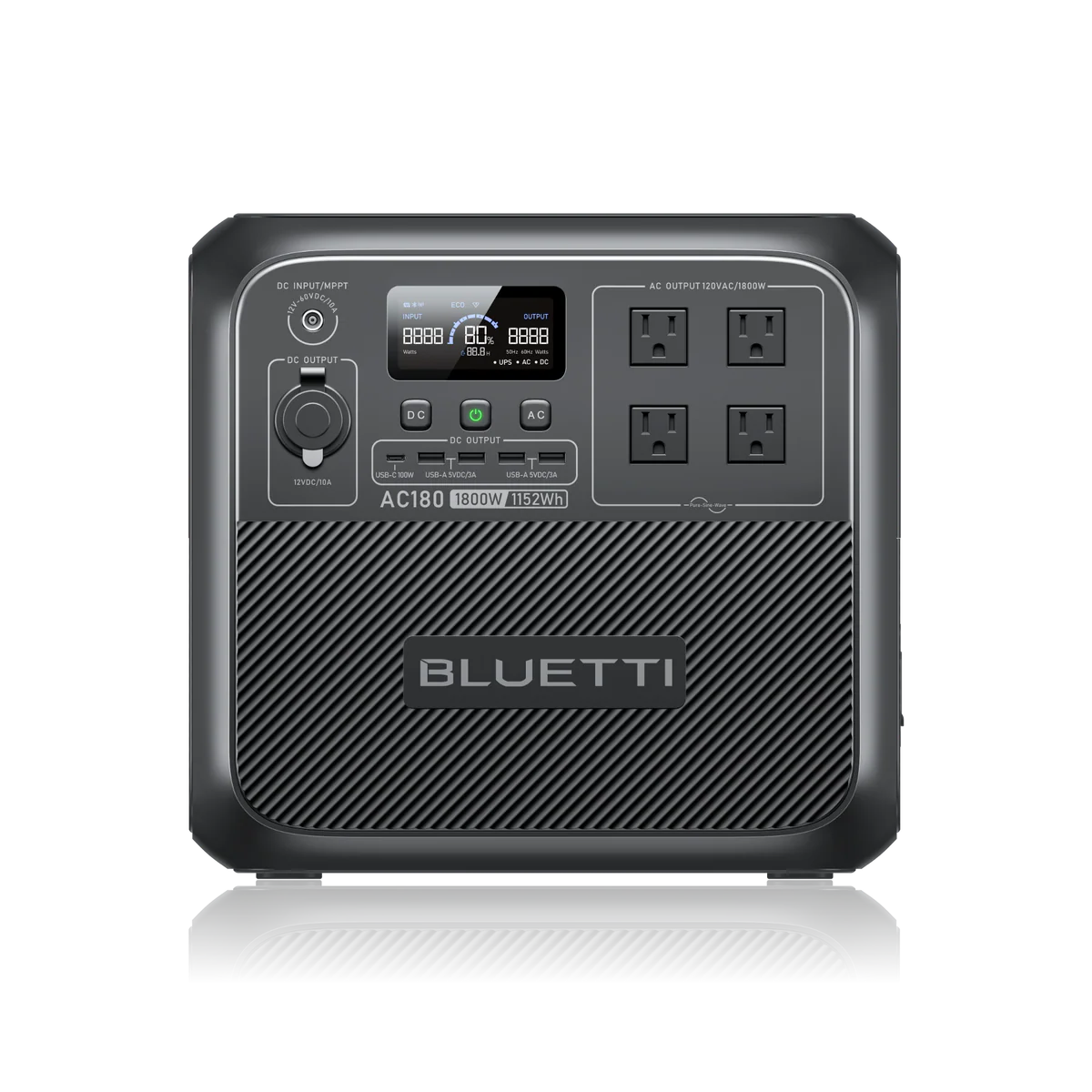
The most capacity in the 1kWh class at the lowest price per watt-hour ($499), so the most CPAP nights per dollar. It can also sit between the wall and the machine as a UPS with a 20ms switchover.
Check price at BluettiCode AFF5% — 5% off home backup at BluettiAmazon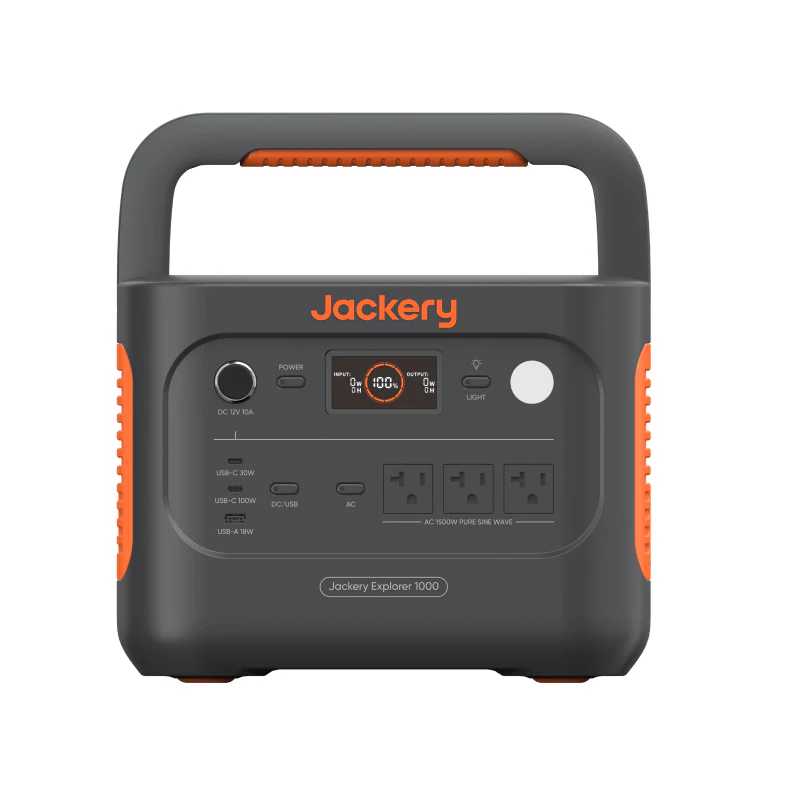
Nearly the same nights as the AC180 in the lightest box here, which matters if it moves between the bedroom and the kitchen every day of an outage.
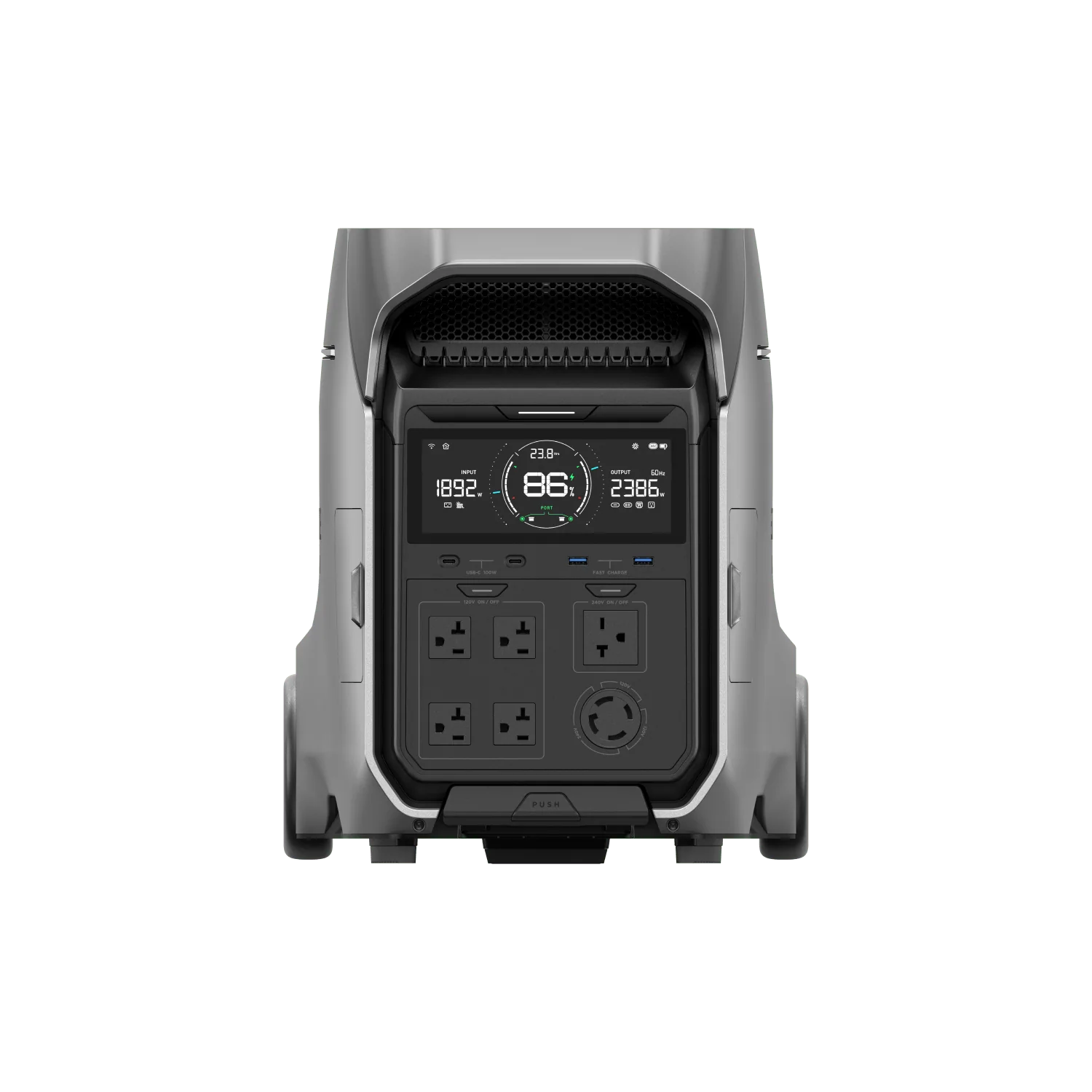
About a week of humidifier-on nights from one charge. Buy it if CPAP is medical rather than optional and you want margin left over for the rest of the house.
Frequently asked
- How many watts does a CPAP machine use?
- It depends on the model and whether the humidifier is running. ResMed's own figures: an AirSense 10 with the humidifier on draws 53W typical, 104W peak. The newer AirSense 11 draws about 56.1W typical, 73.2W peak. The humidifier-free AirMini travel machine peaks at just 27W. Philips' DreamStation 2 ships with an 80W power supply as its sizing ceiling. Humidifier-on machines are the outlier — turning it off is the single biggest lever you have.
- Does turning off the CPAP humidifier actually matter for outage runtime?
- Yes, more than any other single change. A humidifier-equipped ResMed machine draws roughly twice what the humidifier-free AirMini draws (53W vs 27W) — heating water is the majority of the load, not moving air. Skip heated humidification for a few outage nights and you roughly double how many nights one charge covers.
- Is a dedicated CPAP battery worth buying for home power outages?
- Not for home backup specifically. A Medistrom Pilot-Flex — the category's popular travel option — is $349 for 98Wh, good for about 1-2 nights of CPAP alone. A general power station in the 900Wh-plus class costs more but covers several nights of CPAP by itself and also runs the fridge, phones, and lights the rest of the household needs. Dedicated CPAP batteries win on packability for a flight or campsite, not on value for a home outage.
- How many nights will a home power station run my CPAP?
- For a humidifier-on machine (about 500Wh of usable capacity per 8-hour night after inverter loss), a 900Wh-class unit is good for roughly a night and a half of CPAP running alone, and a 3,500Wh-class unit for roughly a week. Turn the humidifier off and both numbers roughly double. In practice CPAP is one line in a bigger load — see the full watt-hour calculator to budget it alongside the fridge and lights.
Sources
- 01checked 2026-07-21
ResMed AirSense 10 with HumidAir humidifier: 53W typical power consumption, 104W peak
https://ap.resmed.com/hubfs/Himalayas%20-%20B2C/SG/Sleepcare/PDF/airsense-10-device-with-humidifier_user-guide_amer_eng.pdf - 02checked 2026-07-21
ResMed AirMini travel CPAP: average current draw does not exceed 0.83A, peak power consumption 27W
https://ap.resmed.com/knowledge/how-much-power-does-the-airmini-machine-draw - 03checked 2026-08-19
ResMed AirSense 11 power supply: 65W-rated (24V, 2.71A DC output); typical device consumption 56.1W (111.5VA), peak consumption 73.2W (137.6VA)
https://easybreathe.com/products/airsense-11-power-supply-65w - 04checked 2026-08-19
Philips Respironics DreamStation and DreamStation 2 CPAP/BiPAP machines use an 80 Watt AC power supply (12VDC output, 6.67A)
https://www.cpapstoreusa.com/product/80-watt-ac-power-supply-for-philips-respironics-dreamstation-series-cpap-bipap-machine/ - 05checked 2026-08-19
American Academy of Sleep Medicine: an estimated 26 percent of adults between the ages of 30 and 70 years have obstructive sleep apnea, based on American Journal of Epidemiology data, with prevalence rising over the last two decades
https://aasm.org/rising-prevalence-of-sleep-apnea-in-u-s-threatens-public-health/ - 06checked 2026-08-19
Medistrom Pilot-Flex CPAP battery: $349, 98Wh capacity, average 16-hour runtime, powers most CPAP machines for 1-2 nights between charges
https://www.gocpap.com/medistrom-pilot-flex-battery-back-up-power-supply-for-cpap-bipap-machines/ - 07checked 2026-07-21
Jackery Explorer 1000 v2: 1,070Wh rated capacity, 1,500W AC output
https://www.jackery.com/products/jackery-explorer-1000-v2 - 08checked 2026-07-21
EcoFlow Delta Pro 3: 4,096Wh rated capacity, 4,000W AC output
https://us.ecoflow.com/products/delta-pro-3-portable-power-station - 09checked 2026-09-18
Bluetti AC180: $499 with no discount shown, 1,152Wh, 1,800W continuous AC output, 20ms switchover, 35.3 lb
https://www.bluettipower.com/products/ac180 - 10checked 2026-09-18
Jackery Explorer 1000 v2: 1,070Wh LiFePO4, 1,500W continuous output, 20ms UPS switchover, 23.8 lb
https://www.jackery.com/products/jackery-explorer-1000-v2